
Patient information and FAQ
Welcome to your patient information section! Here, you’ll find everything you need to prepare for your next visit and maintain your oral health. From post-operative instructions to tips for the little ones, along with practical forms, we’ve thought of everything to make your experience as simple as possible.
The kids’ corner
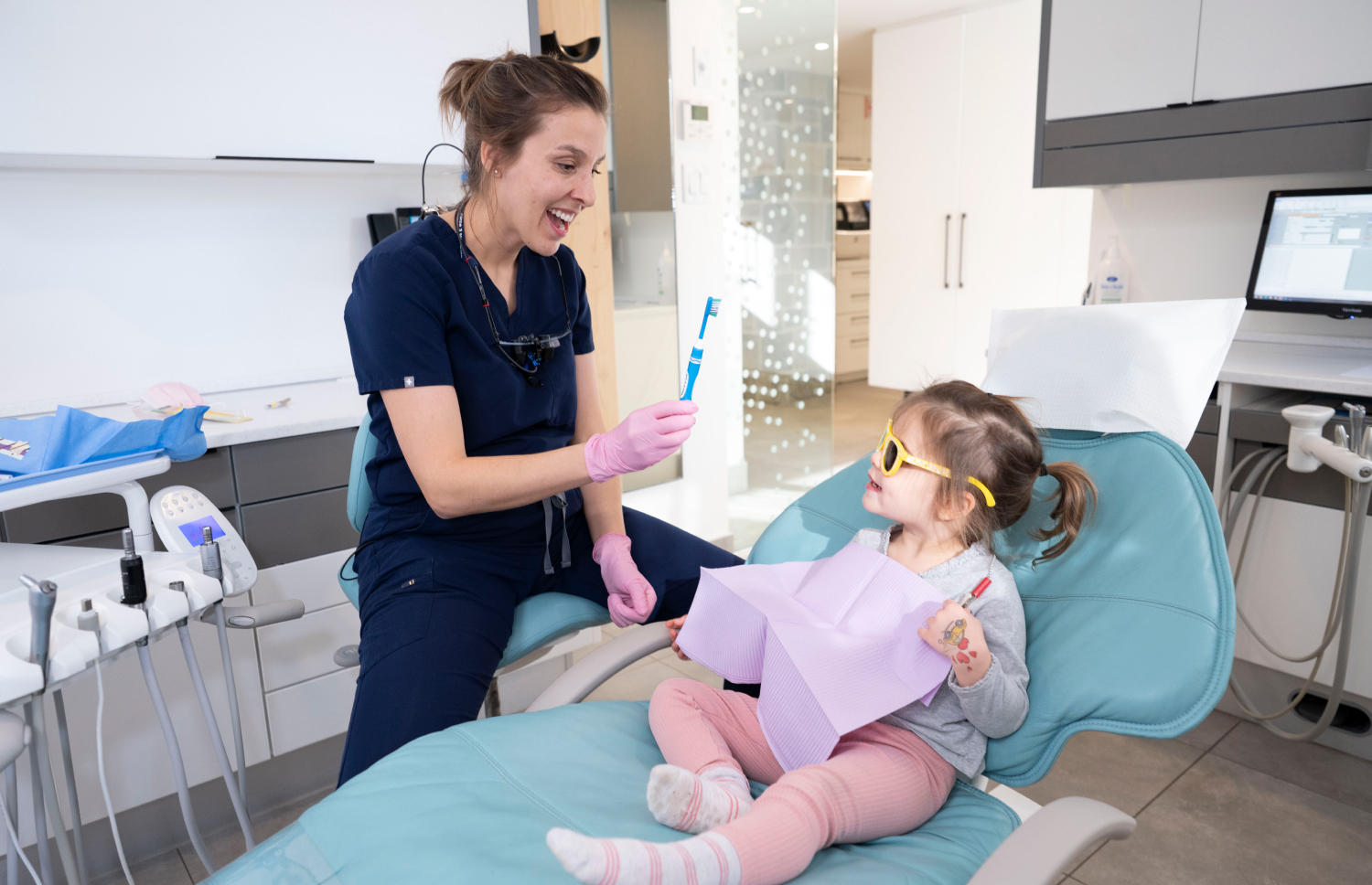
The kid's corner
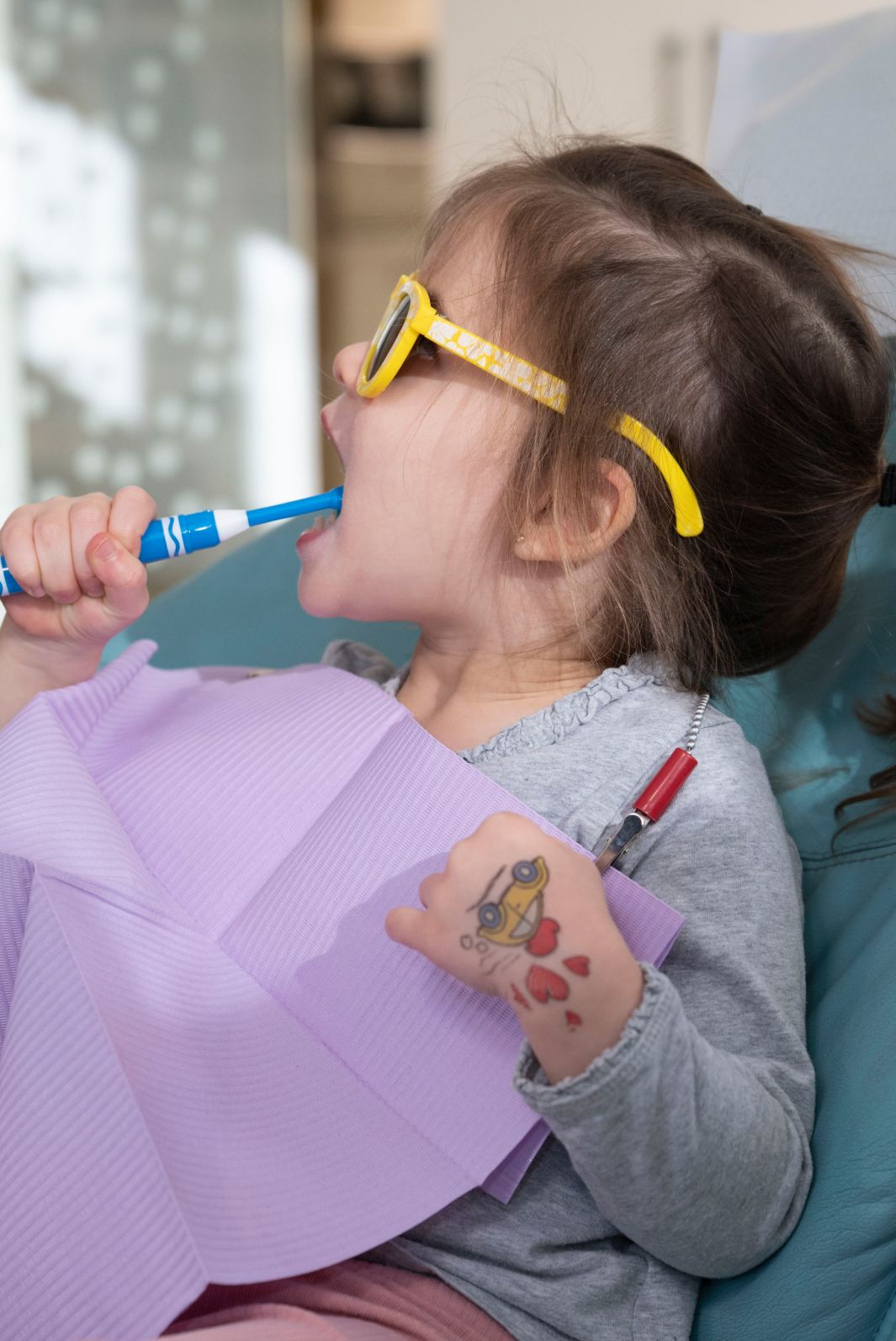
We understand that a child’s first visit to the dentist can raise questions and sometimes a bit of anxiety for both kids and their parents. That’s why our team creates a reassuring, playful, and caring environment where little ones feel comfortable and confident.
Check out our blogs to help prepare your child for their first visit and to understand why primary teeth deserve our full attention.
Post-surgery advice
To recover quickly after a procedure
Have you just received dental treatment? A good recovery starts with proper care at home. Follow our post-surgery recommendations to help reduce discomfort, speed up healing, and prevent complications.
Whether you’ve had teeth whitening, a gum graft, implant surgery, or a minor oral surgery, here are tips for each type of procedure. If you have any questions or concerns, please reach out to our team.
Teeth whitening advice
At-home teeth whitening:
- Brush and floss your teeth before inserting your trays.
- Insert the whitening gel as instructed by our team.
- Insert your trays and wear them for the recommended time according to your dentist’s instructions.
- When removing the trays, rinse them and gently clean them with a toothbrush.
- During the whitening treatment, avoid foods and drinks that can stain your teeth (red wine, blueberries, tomato sauce, coffee, colored soft drinks, etc.).
- Do not smoke during the whitening treatment.
- Your teeth and gums may become sensitive during the treatment. If sensitivity becomes intolerable, stop the treatment for 1–2 days, then resume. If the pain persists, contact your dentist.
Gum graft advice
Post-gum graft instructions
- Take the medication exactly as prescribed by your dentist.
- Brush and floss only the teeth that were not surgically treated.
- Eat normally, avoiding contact with the surgical area.
- Chew on the side that was not surgically treated.
- Rest and take it easy.
- Drink plenty of fluids.
After 48 hours, gently rinse with the recommended mouthwash (2 times a day for 30 seconds each, for 10 to 14 days).
A slight bleeding is normal during the first day. You can apply gentle pressure for 5 to 20 minutes with a moist 2×2 gauze (roof of the mouth area only).
If you notice excessive bleeding, please call us at (514) 383-3666 during office hours or use the emergency number provided on the day of your surgery.
Swelling appearance
Swelling may appear and increase during the first three days. To help control swelling, reduce bruising, and manage pain, you can apply ice to the cheek. Apply an ice pack for 15 minutes each hour for the first 24 hours. Stop using ice after 36 hours.
What NOT to do after a gum graft
- Do not drink hot liquids.
- Do not rinse your mouth vigorously for 48 hours.
- Do not smoke.
- Do not exercise.
- Do not chew hard foods.
- Do not use a straw for drinking.
- Do not drink alcohol.
- Do not play with the bandage or sutures with your tongue.
Post-op care for dental implants
On the day of implant surgery and the first 24 hours
- Take your medications as prescribed by your dentist.
- Do not touch the surgical site with your fingers or tongue.
- It is normal for saliva to be slightly bloody for about a day.
- Sleep with your head elevated.
- Do not rinse your mouth for 24 hours.
- Apply an ice pack wrapped in a damp towel for at least 20 minutes every hour.
- Follow a soft-food diet.
- Some pain is normal. Your medications will help manage it.
- Rest and avoid strenuous activity
If you have any concerns for any reason, please contact us at (514) 383-3666 or the emergency number provided on the day of your surgery.
The days following implant surgery
- Do not smoke. Nicotine can interfere with healing.
- Continue taking your medications as prescribed.
- Swelling may occur 48 to 72 hours after surgery, and sometimes more after a bone graft. It should gradually subside over the following days.
- Bruising may appear and is normal. No treatment is required, and it should resolve within about 2 weeks.
- After 2 weeks, the follow-up visit is scheduled to check healing and remove any sutures.
If you have any concerns, please contact us at (514) 383-3666 or use the emergency number provided on the day of surgery.
Post-operative instructions for minor oral surgery
The recommended care provided here should be followed to promote healing. Please note that some discomfort and swelling are normal after surgery.
What to expect after minor oral surgery
- Bruising may appear on the skin. It should disappear within 5 to 7 days.
- You may have difficulty opening your mouth. This should improve within 4 to 5 days.
- After a few days, you should start feeling better and be able to resume your usual activities.
- If your pain increases instead of decreasing after 3 days, please call us.
If you experience pain, heavy bleeding, swelling lasting 2–3 days, or any reaction to your medications, please contact us at (514) 383-3666 or the emergency number provided on the day of your surgery.
What to do after minor oral surgery
- Always take your medication exactly as prescribed by your dentist.
- Eat cold or lukewarm soft foods.
To manage bleeding on the day of surgery:
- Keep the gauze in your mouth for 20 minutes, applying firm pressure. Change it if bleeding continues.
- Apply ice to your cheek at regular intervals (15 minutes of ice every hour).
- If bleeding persists, use a slightly moistened tea bag and bite down on it for 20 minutes.
If bleeding continues despite these measures, it is IMPORTANT to call us at (514) 383-3666 or the emergency number provided on the day of your surgery.
What not to do after minor oral surgery
- Avoid rinsing your mouth or spitting.
- Avoid using a straw to drink.
- Avoid smoking.
- Avoid hot drinks or foods.
- Avoid strenuous activities
Insurance information
Everything you need to know about insurance coverage
We accept all dental insurance plans, including the Canadian dental care plan (CDCP). For most treatments, we bill your insurer directly, and you simply pay the remaining balance at the front desk before leaving.
-
The details of your coverage
Each insurance policy is unique. To know your coverage percentage, annual maximums, and the treatments covered, we encourage you to consult the guide provided by your insurer or contact your insurance company directly. Unfortunately, we do not have access to this information at the clinic.
-
Request a quote for your insurance
We can send a quote to your insurer including x-rays and photos (if needed) to know in advance the amount of your insurance coverage. Knowing the covered portion allows you to better plan your budget.

Preventive care advice
Your daily oral health
A healthy smile starts with good habits at home. Here are some simple steps to reduce the risk of cavities, gum disease, and other oral health problems:
- Brush your teeth twice a day for at least two minutes.
- Important tip: spit out excess toothpaste without rinsing with water. The fluoride left on your teeth continues to strengthen enamel and provide optimal protection against cavities.
- Replace your toothbrush every three months or when the bristles start to bend or become too stiff.
- Floss once a day, ideally before bedtime.
- Rinse your mouth with water after meals or snacks.
- Limit your intake of sugary foods and drinks.
- Schedule your professional check-ups and cleanings according to the hygiene protocol established by your dentist or hygienist. The frequency (every 3 to 12 months) may vary depending on your risk of cavities, tartar buildup, and gum health.
- Watch for symptoms such as bleeding, pain, or sensitivity.
- Wear a mouthguard during contact sports.
- Avoid tobacco and excessive alcohol consumption.
Do you have questions about your oral hygiene routine? We are always here to help!
Schedule an appointment
Do you have questions?
If you haven’t found the answer to your question in our FAQ, or if you want more details about a treatment or personalized advice, contact us at (514) 383-3666 or fill out the form below. Our team will take the time to respond within 24 hours, by phone or email.